


I travelled to Denmark recently, to seek my ancestral origins.
While in Copenhagen, I visited the National Museum of Denmark (Nationalmuseet). There was an exhibition on the ground floor, ‘The prehistory of Denmark’, that showed the development of human culture in the region across 15,000 years of history from the Stone Age to today. It included many artefacts from these periods, along with well-made printed and digital displays, exploring key themes such as tools, weapons, diet, trade, craft, traditions, culture, and more.
This article is not a review of the exhibition—though if you are visiting Copenhagen, I highly recommend it. My approach here is to focus on a single motif from the exhibition: the Sun cross.
As a symbol, the Sun cross is found all around the world. The Sun is the most significant stellar body for life on Earth and shapes the various cycles of development, growth and decline, daily, annually, and over larger cycles. It is literally the source of light, energy, and warmth. It is no wonder every culture on Earth has given it great importance.
This importance is ancient. As our distant ancestors faced the world, the Sun’s movements were a reliable measure for activity, for hunting times, gathering wild plants, planting and harvesting agricultural cycles, and for the seasonal festivals and sacred ceremonies. The Sun’s reliability made it benevolent—it brought life through the seasons and daily rhythms—yet it could also bring great heat, drought, and in extreme dry climates, death. The Sun was recognised as sacred, a source of power to be respected and honoured.
Yet the Sun is also important in current times and for our future. We still shape our daily routines by it; we often enjoy going outside on sunny days, and we miss its presence during long dark winters. While many today view the Sun as a material object, our lives are never far from its power and its absence we would quickly and drastically notice. For decades humans have sought to harness the Sun’s energy through solar power technologies. The Sun is seen as a pure source of energy. And more recently, there has been talk of using its energy from space, to power artificial intelligence. There is even the idea of harnessing its entire power to one day become a Type II Kardashev civilisation—where we have settlements across our entire solar system, and beyond. Our civilisation’s expansion, and our survival, is directly reliant on the Sun.
The Sun is also important for health. Studies show children who receive 1-3 hours of sunlight daily tend to have better eyesight, sleep patterns, memory and learning ability, bone growth and immune systems than those who receive less sunlight. While this needs to be balanced to prevent over-exposure, and depends also on the environment, diet and many other factors, the health benefits of the Sun are clear. This mirrors ancient views of the Sun as a symbol of intelligence, health, and vitality.
The Sun’s importance is recognised universally among humanity. Ancient civilisations, from India to China to Mexico, all attribute significant symbolic value to the Sun. In the Vedic culture of India, the Sun is Surya, Savitr, Pushan, the Ādityas, among other figures. Surya drives his chariot across the sky, pulled by seven horses. He is the eye of the universe and dispeller of darkness. In ancient China, the Sun is Xihe (羲和), the Sun goddess who drives a chariot pulled by dragons across the sky, carrying one of her ten sons. Her sons are often depicted as three-legged crows that reside in the Fusang (扶桑) mulberry tree in the East Sea. There were once ten Suns in the sky, which scorched the Earth until the hero Hou Yi (后羿) shot down nine of them with his bow. In Mexico, Mayan mythology involves creation cycles and the Sun god Kinich Ahau, who journeys across the sky by day and through the underworld by night as a jaguar.
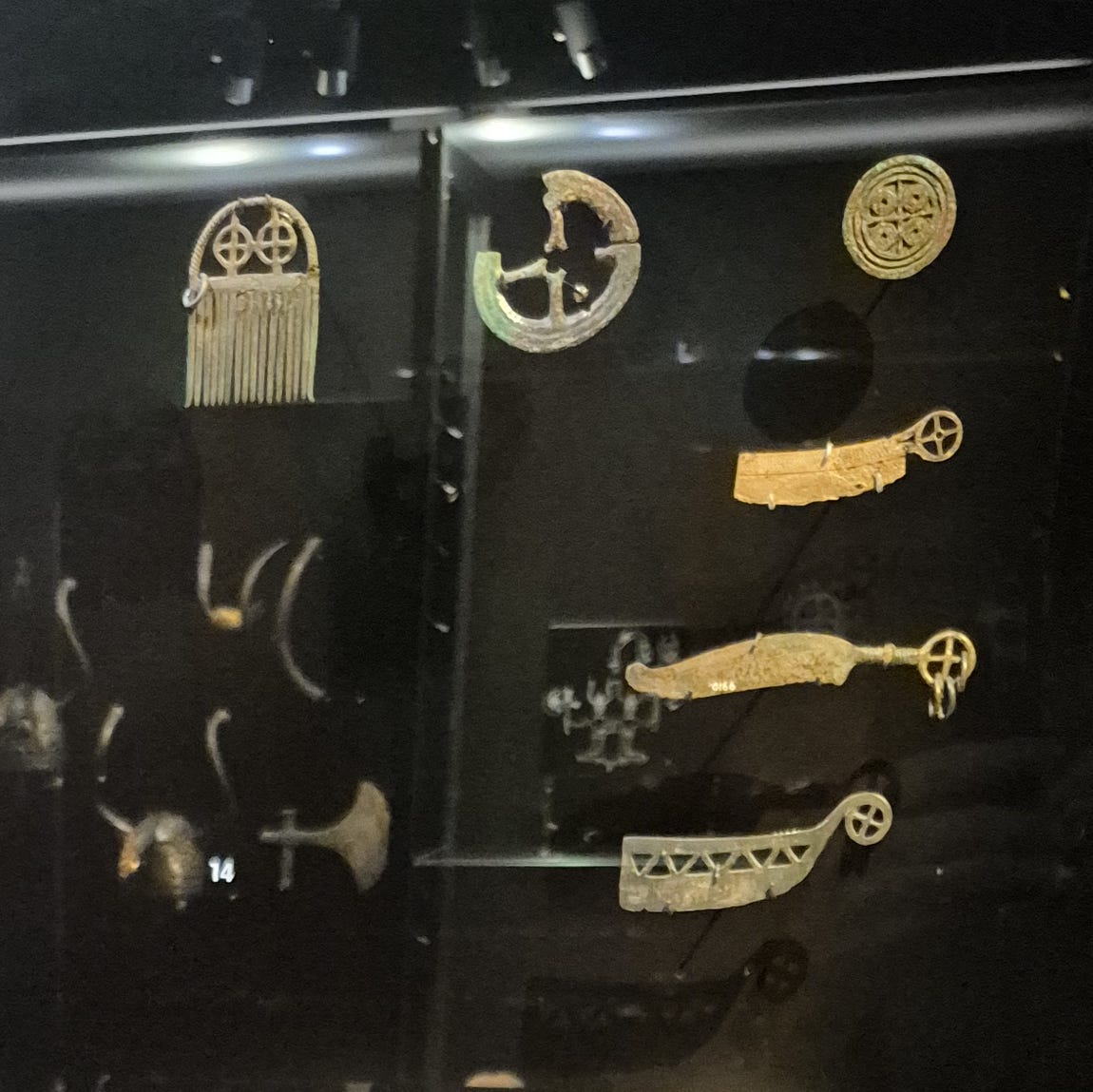
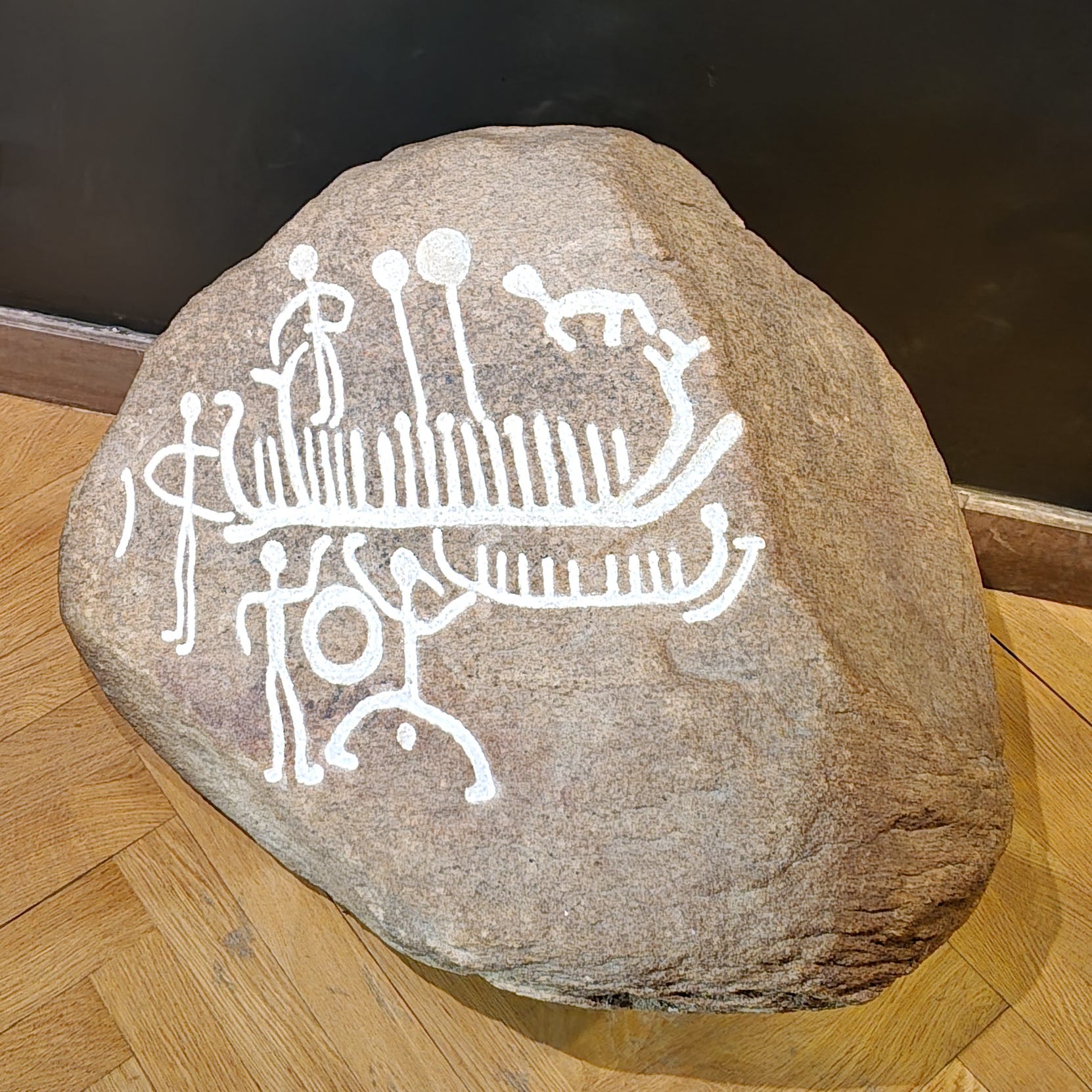
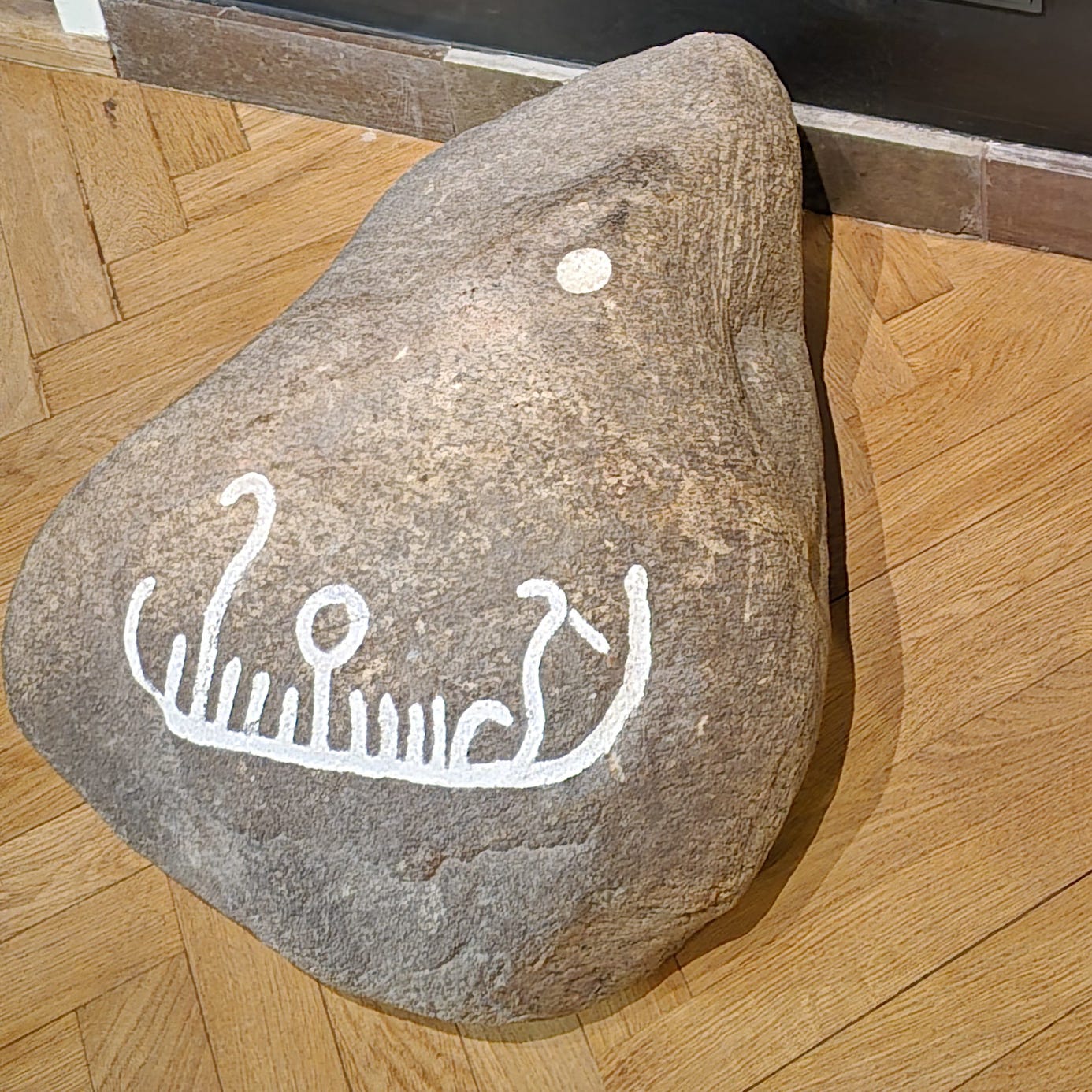
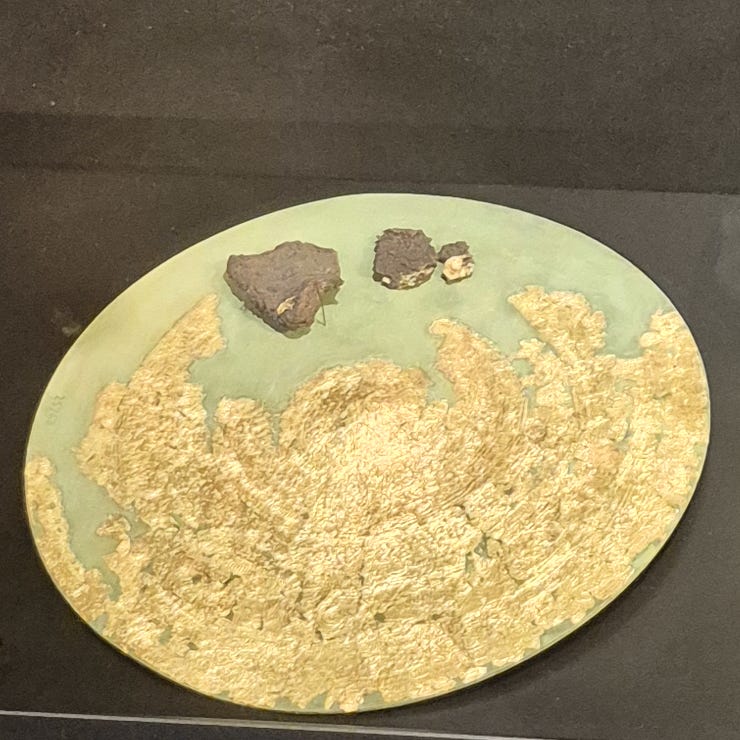
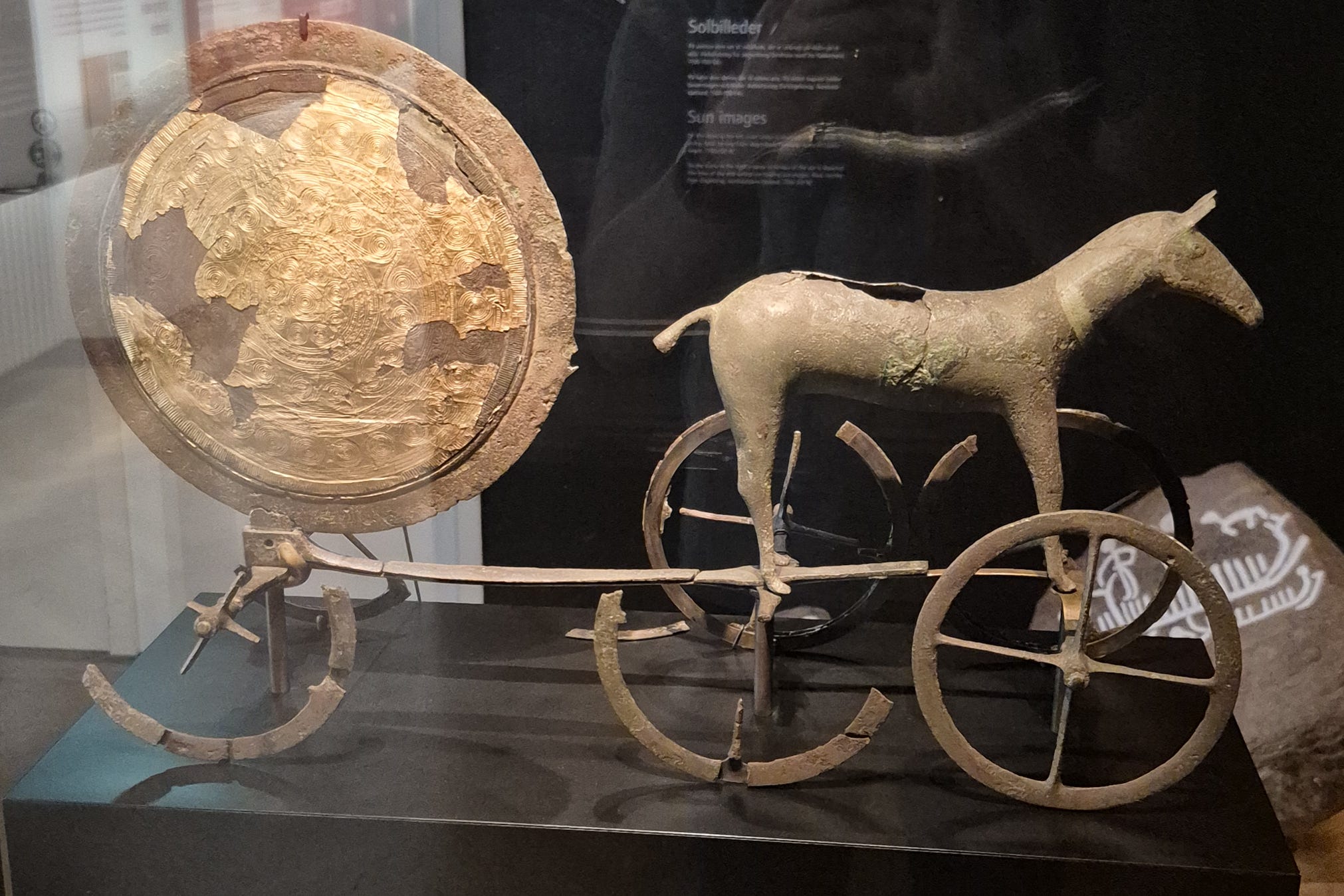
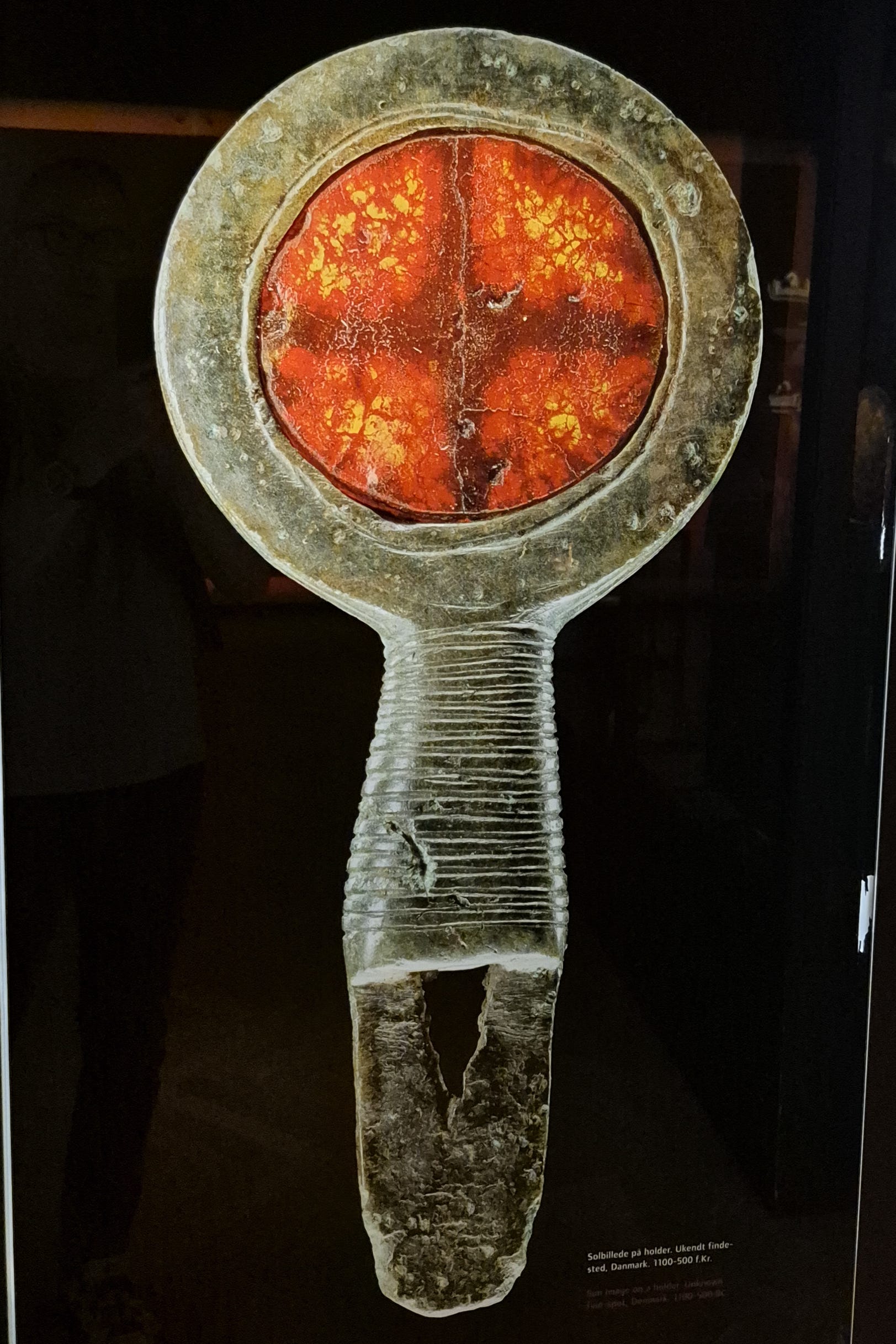
The Nordic mythos is similar to those of other ancient cultures. Artefacts, such as rock carvings (Figure 2), bronze objects (Figure 4), and the Trundholm Sun Chariot (Figure 6), show the journey of the Sun on ships or pulled by animals. The cycle goes as follows. At sunrise, a fish pulls the Sun up from the night ship into the morning ship, and into the upperworld. The fish then rides with the Sun in the morning ship until late morning, when the fish is eaten by a bird of prey. Sun horses stand ready at noon to pull the Sun out of the morning ship, and land with the Sun in the afternoon ship to carry it across the sky. Later in the afternoon, a snake takes the Sun into the evening ship. The snake hides the Sun in its coils at sunset and takes it below, into the underworld. The Sun, extinguished and dark, then sails in a night ship through the underworld. Throughout this journey, a fish accompanies the Sun and towards dawn is ready to lift the Sun into the morning ship, repeating the cycle.
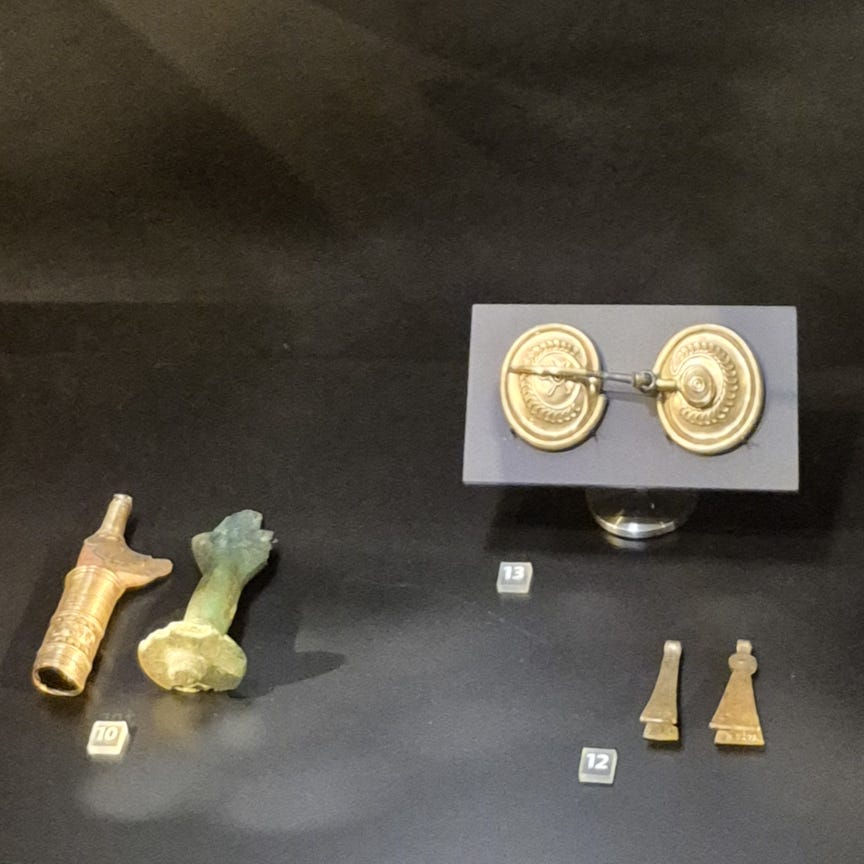
These stories of the Sun’s journey across the sky all share an obvious common theme—animals pull the Sun. Animals embody the primal vitality of the natural world, mirroring our own human instincts, senses, and energies. The Sun being pulled by different animals at different times of day and night highlights the energies of these times. What these specific animals and times may represent can become a focus for meditation or art, to explore and understand them more deeply. I won’t go into this here.
The Sun’s journey is cyclical, as it oscillates between day and night, above and below. It’s oscillation brings light and dark to our world, and this duality brings other correspondences. Light is life, while dark is death, and light is knowledge, while dark is ignorance. However, I won’t go as far as saying that light is good while dark is evil, because both light and dark have their beneficial and detrimental aspects, much like the branches and roots of a tree each serve a purpose. Being cyclical, relative forces, there is always a hidden light in darkness and a hidden darkness in light.
These Sun stories often share the motifs of the upperworld and underworld. The underworld in traditional cultures is typically a place of transition, challenge, reflection and renewal for the soul—as for the Sun—unlike the realm of eternal damnation for sinners that the Christian mythos presents. Ancient cultures also share similar conceptual frameworks for the upperworld—being a realm of the gods, illumination, and celestial order—though the details can vary.
The Sun as the traveller between the upper and lower worlds thereby is the shamanic hero, having power over the circle of life and death. It is the primordial wizard, bringing the wisdom of this circle to the world. And this archaic symbol is reflected in the natural world, where the Sun causes both the growth and desolation of life on Earth. The Sun’s journey is a transcendent yet immanent circle, and can be encapsulated in the symbol of the Sun cross.
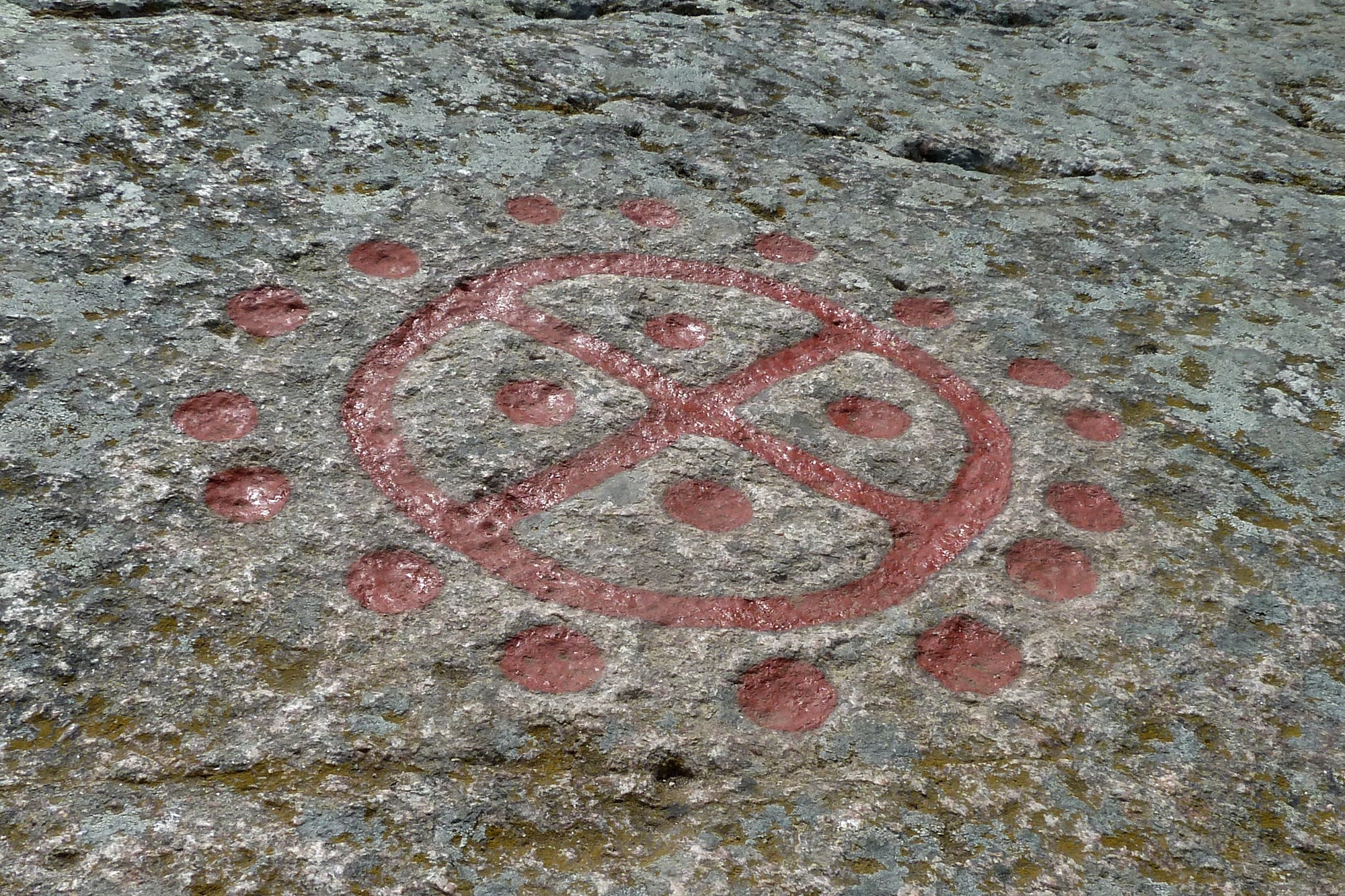
The cycle of the Sun also extends across the larger cycle of the seasons, where Spring, Summer, Autumn, and Winter facilitate the phases of growth, fullness, harvest and decline. These seasons are geometrically connected through the Spring and Autumn equinoxes to Earth’s East-West compass points, and by extension, to the North-South compass points, which are emphasised by the Summer and Winter Sun respectively (and the opposite in the Southern Hemisphere). Thus we have the four compass points around a circle, represented in the Sun cross. This provides a geometric (from geo, ‘earth’ and metric, ‘measurement’) equivalent to the time-based circle of the seasons. The time-based seasonal circle reflects the cyclical nature of life—from birth to maturity, to old age, and death, as it traverses the geometry of the Earth. The cosmos in this way is layered within various geometric cycles, and the Sun is central to these.
These cycles of the Sun have a special significance in the far northern (or southern) parts of our Earth, where there are extended light and dark seasons of the year. In Tromsø, Norway, for instance, there is 24 hours of daylight for 1-2 months in Summer and 24 hours of darkness for 1-2 months in Winter, , where the Sun does not rise above the horizon. Those regions where the Sun never rises or sets for long periods have an enduring twilight. The liminal period of the day, which is relatively short in regions closer to the Equator, is greatly expanded in the polar regions. The natural effects and symbolic meaning of this liminality is something to ponder further—and experience for yourself if you visit such places. Add to this the Northern Lights (Aurora Borealis) and Southern Lights (Aurora Australis)—also caused by the Sun—and such parts of the Earth are magical indeed.
The mythos of the Sun in Northern culture—which the Nordic Sun cross symbolises—goes much deeper than the diurnal and seasonal cycles, but that will do for now. If this article has interested you, I encourage you to explore this topic further.
Disclaimer: Wizardry Sphere content and tools support the personal practice of developing wisdom and self-mastery through reflection and philosophical exploration. They are educational and inspirational in nature. Individual results vary and no specific outcomes are guaranteed. This material is not a substitute for professional advice.
www.wizardrysphere.com | Terms and conditions | Privacy policy
Copyright © 2026 Genius Authoring Pty Ltd trading as Wizardry Sphere | ABN 85 669 120 978