


It is clear vision and true action.
To intellectualise wisdom is to mistake the map for the terrain. Better to experience wisdom, cultivate it, and live it. So while we will explore some ideas about wisdom, and settle on a definition, the focus here remains pragmatic. I am ultimately interested in the individual practice of developing wisdom, and the results that come from this. While acknowledging there are many different approaches to developing wisdom, here we emphasise a specific approach that connects the ideas Wizardry Sphere explores.
Even in practice, wisdom can be elusive. The wisest people can fall prey to folly. And sometimes, wise actions appear foolish in the eyes of the unwise—as the trickster archetype demonstrates, teaching wisdom by acting in questionable and mysterious ways. To be a wise person is not a simple matter. Wisdom is not an end state—a goal to be achieved. It is a lifetime journey that requires continual re-application, like a boat adjusting course as the currents turn.
Wisdom is the fruit of a well-lived life. This, however, implies it is the possession of the elderly. Such is true in many cases, but not all old people are wise. Play your cards right and time and experience may bring you wisdom. But neglect the body and mind, make poor decisions and learn little from them, and no amount of time will wisen you.
Regardless of how you live, experience is the play-realm for developing wisdom. Life’s difficulties and obstacles can become opportunities to grow, adapt, and evolve. You can consciously direct your growth, challenge yourself, test your insights, better understand your limitations—and overcome them where you can. Living with full awareness in your present experience, making sound decisions, learning from everything, and developing your potential in alignment with your true purpose are some of the ways to develop wisdom.
But wisdom is also more than life experience. It is access to something beyond all experience. Here we enter the domain of genius—that innate creative power that we each have within us, which may be active or dormant.
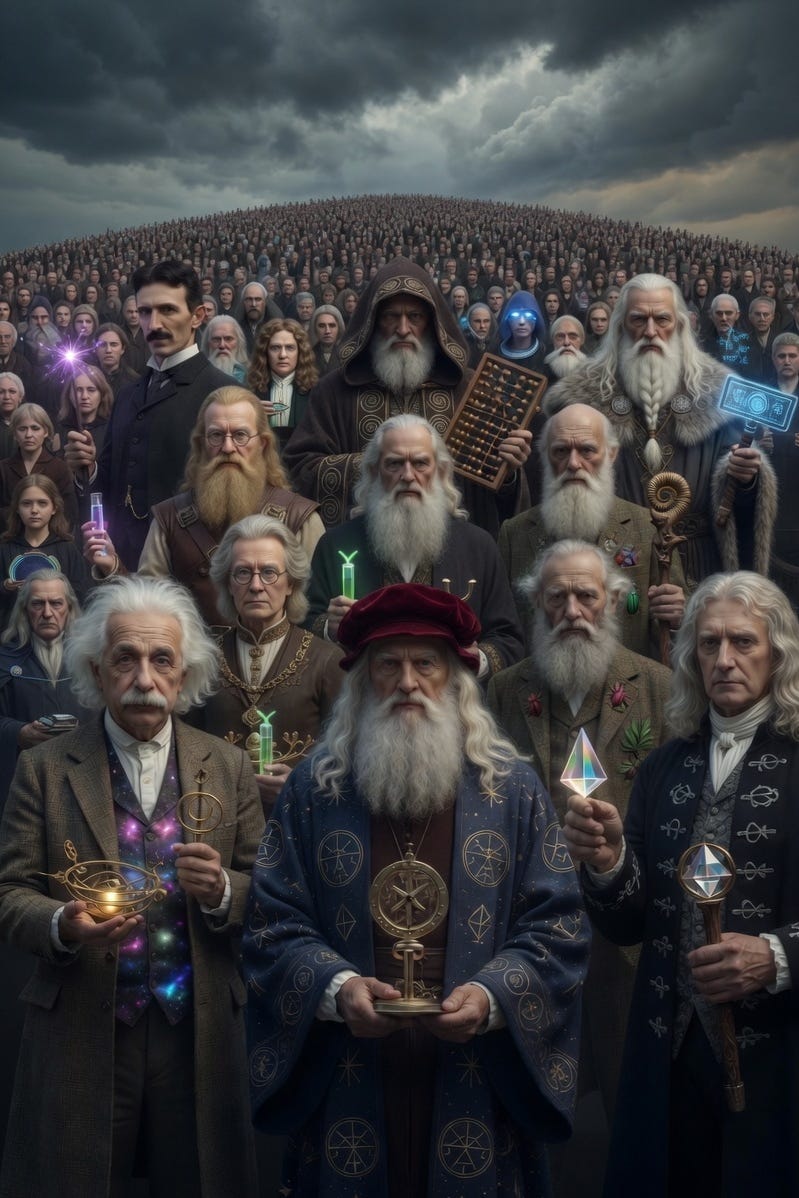
A genius may overflow with penetrating insights about the way the world works, beyond what the average person can understand. Yet their insights still need to be applied to be useful. Practical wisdom is the complement to genius-level understanding. The ability to act in the world to achieve a definite result comes with a whole swath of challenges. It requires skill, knowledge, patience, persistence, and many other resources. While wisdom exists beyond the tangible world—in the hidden secrets of nature, which genius spontaneously illuminates—it also belongs squarely in the everyday, concrete world. Both these aspects of wisdom—transcendent insight and immanent pragmatism—must be mastered to bring real success. Wisdom requires both an understanding of the universe and the ability to act upon that understanding. It is the capacity to turn great insight into practical results.
While the concept of wisdom is universal, expressed differently in different cultures, the word ‘wisdom’ and its variants is found among the Anglo, Nordic and Germanic peoples. The word ultimately reaches back to Proto-Indo-European, *weyd. Its original meaning is ‘to see and to know’.
The wise one is the wizard (from Middle English wysard), or the Old Norse vitki. The wizard is a philosopher and sage, in the ancient sense. The archetype of the wizard is often associated with magic in the collective imagination, as reflected in mythology and the fantasy genre. But what is magic to some is more likely skill and knowledge to the master.
Consider the computer wizard or the finance wizard—as two contemporary examples. Yes they can do magical things with machines or money, but this is not magic in the fantasy sense. Wisdom as clear vision and true action is more fundamental to the wizard than anything fantastical. For more on the archetype of the wizard as a practitioner of wisdom, see our article, ‘What is wizardry?’

In practice, wisdom connects knowledge and vision to earthly life experience and sound practical results. Having the vision and wit—the knowing, sense, and cleverness—to turn insights into practical results is magical in a different way. Wisdom is also grounded in who one is and how one lives. It is patient, thoughtful, and enduring. It is sound judgement and noble character. It is timing and measured action. And in the broadest sense, it is the timeless principles of the natural world.
Those with wisdom see the world more clearly than most and know how to extend their insights into actual results that are widely beneficial. Thus we can define wisdom:
Wisdom is the capacity to perceive and apply universal truths within specific contexts to create purposeful beneficial outcomes.
There is goodness in this. Age, knowledge, and folly may either help or hinder wisdom, but wisdom is ultimately something behind all these. A wise person has greater insight and practical sense. They have height, depth, and breadth. The have access to something transcendent and the ability to work this pragmatically into the world, across a wide range of circumstances.
In a mediocre society, conventional wisdom is just reinforced mediocrity. Though such may be useful and generally considered good, it lacks height, depth, and breadth. It will not help evolve humanity or prevent larger civilisational disruptions. Real wisdom, in contrast, includes but goes beyond the commonplace world, so often appears unconventional. This is seen in entrepreneurs with a great vision, who take risks, act boldly, and succeed—even as they fill out mundane paperwork. Great entrepreneurs are often unconventional. Yet they succeed despite the conventional doubts, opposition, and resentment of people around them.
Such traits are also seen in the archetypal wizard. While the wizard can enjoy the simple pleasures (and paperwork) of the ordinary world, they also go beyond this into vaster realms of becoming.
Wisdom is, as the ancients have always said, mysterious.
Wizardry Sphere explores what it means to develop wisdom and self-mastery in the present and emerging world. We draw creatively from both ancient and modern sources.

Disclaimer: Wizardry Sphere content and tools support the personal practice of developing wisdom and self-mastery through reflection and philosophical exploration. They are educational and inspirational in nature. Individual results vary and no specific outcomes are guaranteed. This material is not a substitute for professional advice.
www.wizardrysphere.com | Terms and conditions | Privacy policy
Copyright © 2026 Genius Authoring Pty Ltd trading as Wizardry Sphere | ABN 85 669 120 978